
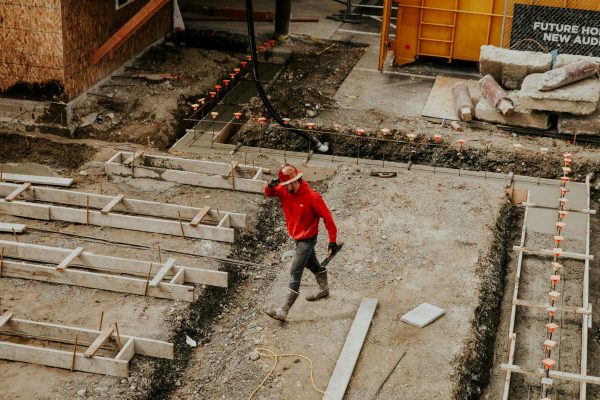
Hiring a multi family contractor is one of the biggest decisions you’ll make during a condo development or renovation project. The process involves coordinating dozens of trades, managing strict timelines, and building units that meet both code requirements and buyer expectations. Whether you’re developing a new condominium community or renovating an existing multi family property, knowing what to expect from day one helps you avoid costly surprises and keeps your project on track. Inabnet is a San Diego-based general contractor specializing in multi family construction, bringing hands-on experience to condo projects of every size. This guide walks you through the full process so you can plan with confidence and hold your contractor accountable at every stage.
Initial Consultation and Project Scoping
The first step with any multi family contractor is a detailed consultation. This is where your contractor reviews your plans, walks the site, and starts identifying potential challenges before a single permit gets pulled.
What Happens During the First Meeting
Expect your contractor to ask about your timeline, budget range, and project goals. They’ll want to understand the scope — whether it’s a ground-up condo build, a full renovation of an existing complex, or targeted upgrades like roofing, plumbing, or electrical across multiple units. A good contractor will also flag any zoning or HOA considerations that could affect the project.
Site Assessment and Feasibility
After the initial conversation, most contractors will conduct a site visit. They’re looking at access points for equipment, structural conditions, parking logistics, and anything that could slow down construction. For renovation projects, this step often uncovers hidden issues like outdated wiring or water damage behind walls.
Understanding the Bidding and Estimating Process
Multi family projects are complex, and the estimating phase reflects that. Your contractor will break the project into phases and trades, pricing each one individually before rolling it into a total project cost.
Expect the estimate to cover demolition, framing, mechanical systems, finishes, and general conditions like project management and site cleanup. A transparent contractor will walk you through each line item so you understand where your money goes. Don’t be surprised if estimates from different contractors vary significantly — differences in labor rates, material sourcing, and overhead structures all play a role.
Permitting, Compliance, and Local Codes
Multi family construction in San Diego involves layers of permitting and code compliance that single family projects don’t deal with. Your contractor should handle the permitting process and keep your project aligned with Title 24 energy requirements, ADA accessibility standards, and local building codes.
Navigating San Diego’s Permitting Process
San Diego’s Development Services Department reviews multi family permits, and timelines can vary depending on project complexity. Your contractor should be familiar with the local process, know which inspections are required at each phase, and manage the schedule so permit delays don’t stall the build.
Fire, Safety, and Accessibility Standards
Condo projects must meet fire separation requirements between units, proper egress standards, and accessibility guidelines for common areas. These aren’t optional add-ons — they’re built into the plans from the start, and your contractor should be reviewing them during preconstruction.
Setting a Realistic Timeline
One of the most common frustrations in multi family construction is timeline slippage. Weather, material delays, inspection scheduling, and subcontractor availability all affect the schedule.
A reliable contractor will build buffer time into the schedule and communicate proactively when things shift. Ask for a detailed construction schedule during preconstruction — it should show each phase, milestone dates, and dependencies between trades. If your contractor can’t produce this, that’s a red flag.
Communication and Project Management
You should know exactly how your contractor plans to keep you informed. Weekly progress reports, regular site meetings, and a single point of contact are standard on well-run multi family projects.
- Scheduled weekly or biweekly progress updates with photos and written summaries
- A dedicated project manager who serves as your main point of contact
- Real-time tracking of budget, schedule, and change orders
- Clear protocols for handling unexpected issues or scope changes
Strong communication prevents small problems from becoming expensive ones. Inabnet maintains structured reporting on every project, giving clients full visibility into progress, costs, and upcoming milestones without having to chase down answers.
Managing Subcontractors and Trade Coordination
Multi family projects require dozens of subcontractors working in sequence and sometimes simultaneously across multiple units. Your general contractor is responsible for scheduling, supervising, and quality-checking every trade that steps on site.
How Trades Are Sequenced
Framing comes before mechanical rough-ins. Mechanical rough-ins happen before insulation and drywall. Finishes come last. In a condo project, this sequence repeats across every unit, and your contractor needs to stagger the work so trades aren’t stepping on each other. Poor coordination leads to rework, delays, and wasted labor hours.
Quality Control Across Units
Consistency matters in multi family construction. Every unit needs to meet the same standard, and your contractor should have a quality control process that catches issues before inspections — not after. Punch list management at the end of the project should be minimal if quality checks happen throughout construction.
Budget Management and Change Orders
No multi family project goes exactly according to the original budget. Change orders are a normal part of construction, but how your contractor handles them says a lot about their professionalism.
- A written change order process that requires your approval before any additional work begins
- Itemized breakdowns showing labor, materials, and markup for every change
- Transparent tracking so you always know your current total project cost versus the original budget
Your contractor should never surprise you with costs after the fact. Every change should be documented, priced, and approved before work proceeds.
Closeout, Warranty, and Post-Construction Support
The final phase of a multi family project involves inspections, punch list completion, and the handoff of warranty documentation. Your contractor should coordinate final inspections with the city, walk each unit with you to identify any remaining items, and provide a clear warranty on their work.
Ask about warranty terms upfront — most reputable contractors offer at least a one-year workmanship warranty, and many pass through manufacturer warranties on materials and systems. Inabnet handles the full closeout process, from final city sign-off to warranty documentation, so your project wraps up clean and you have support after move-in. If you’re planning a multi family project in San Diego, reach out to the Inabnet team to discuss your scope and timeline.