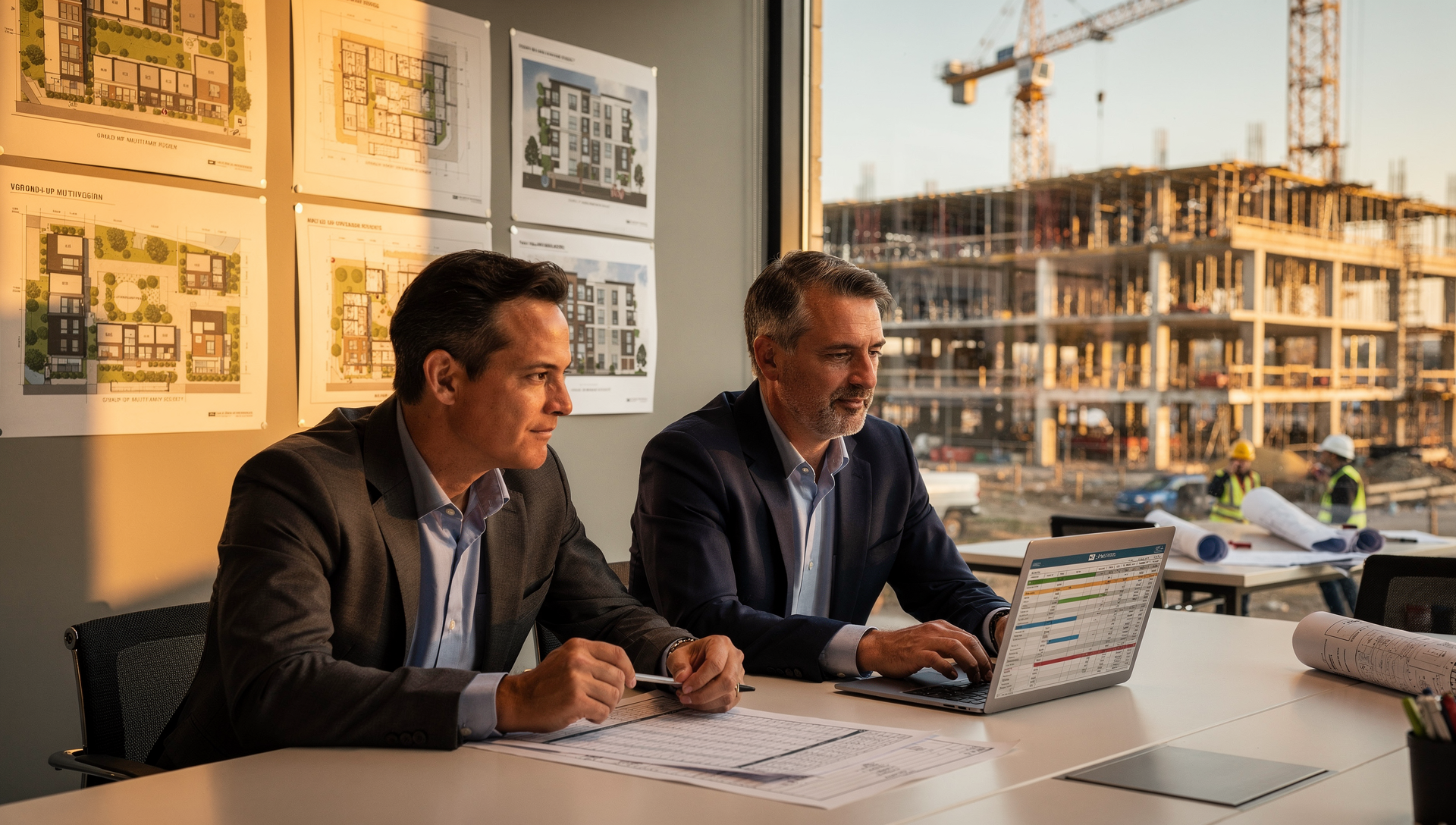
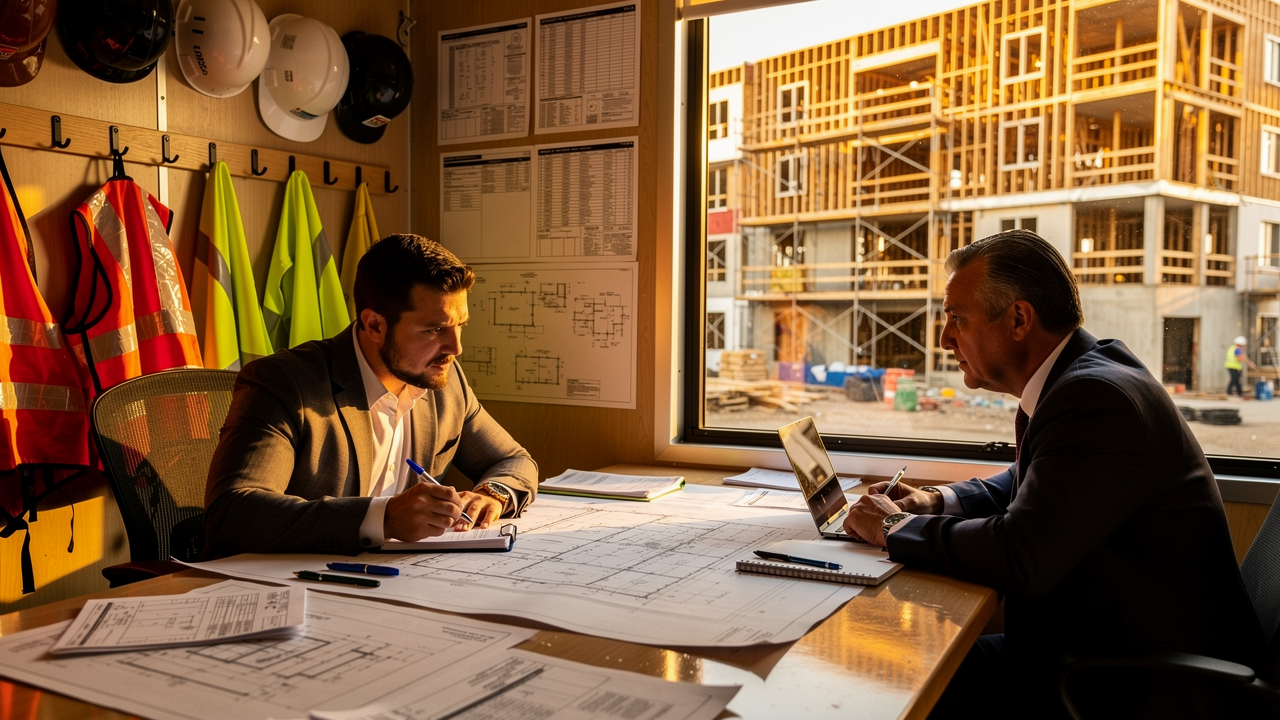
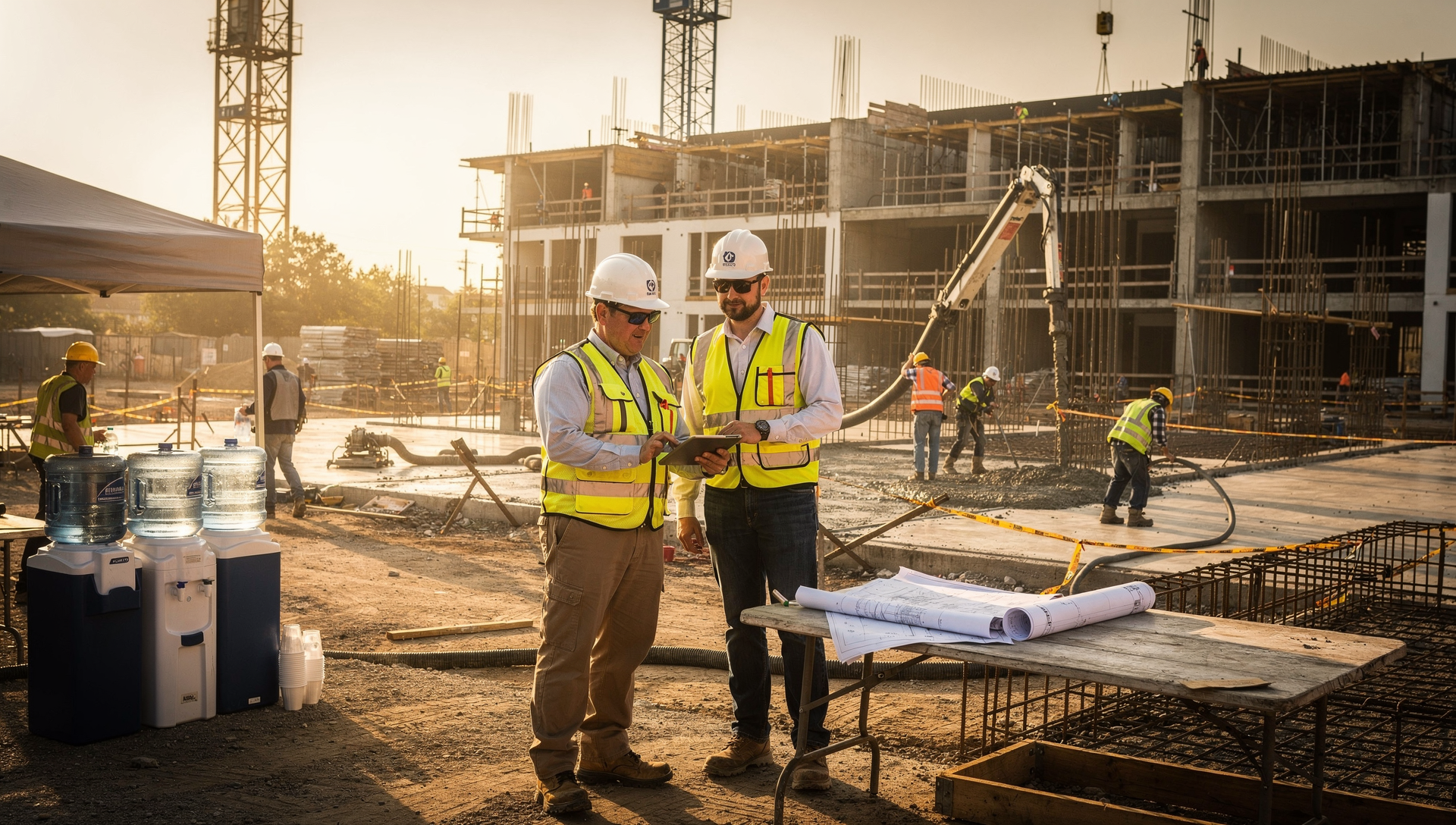
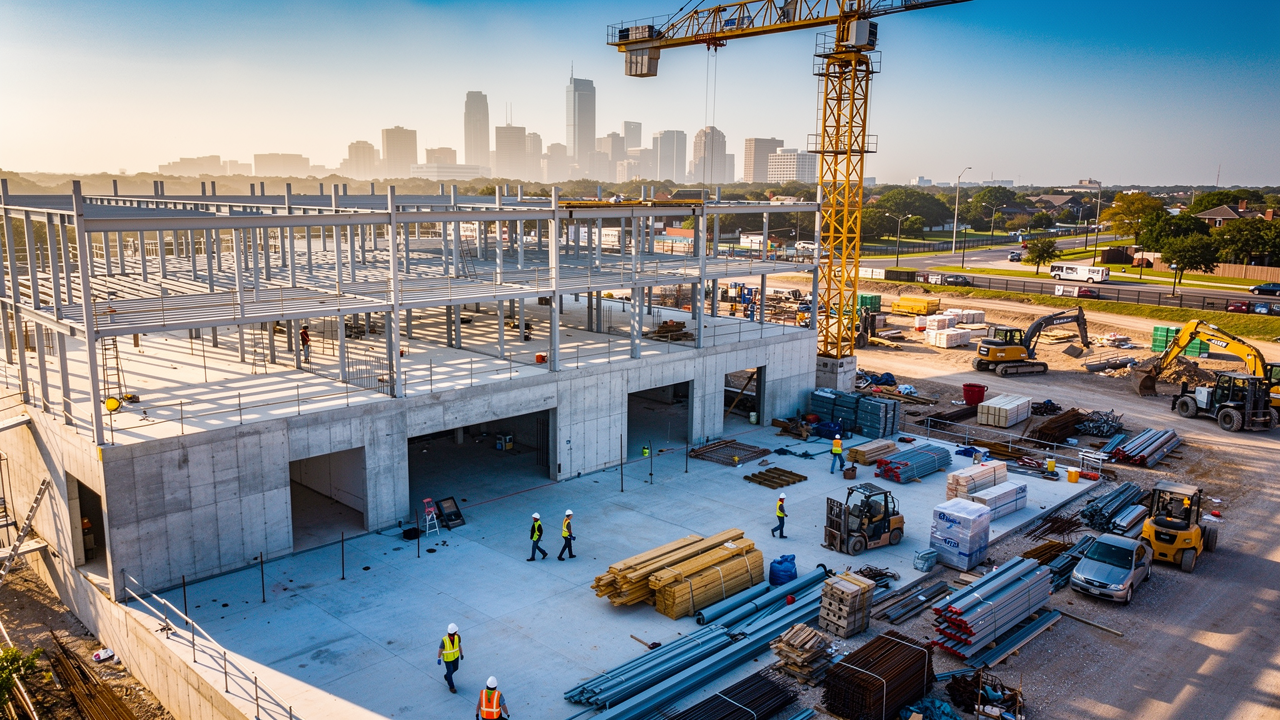
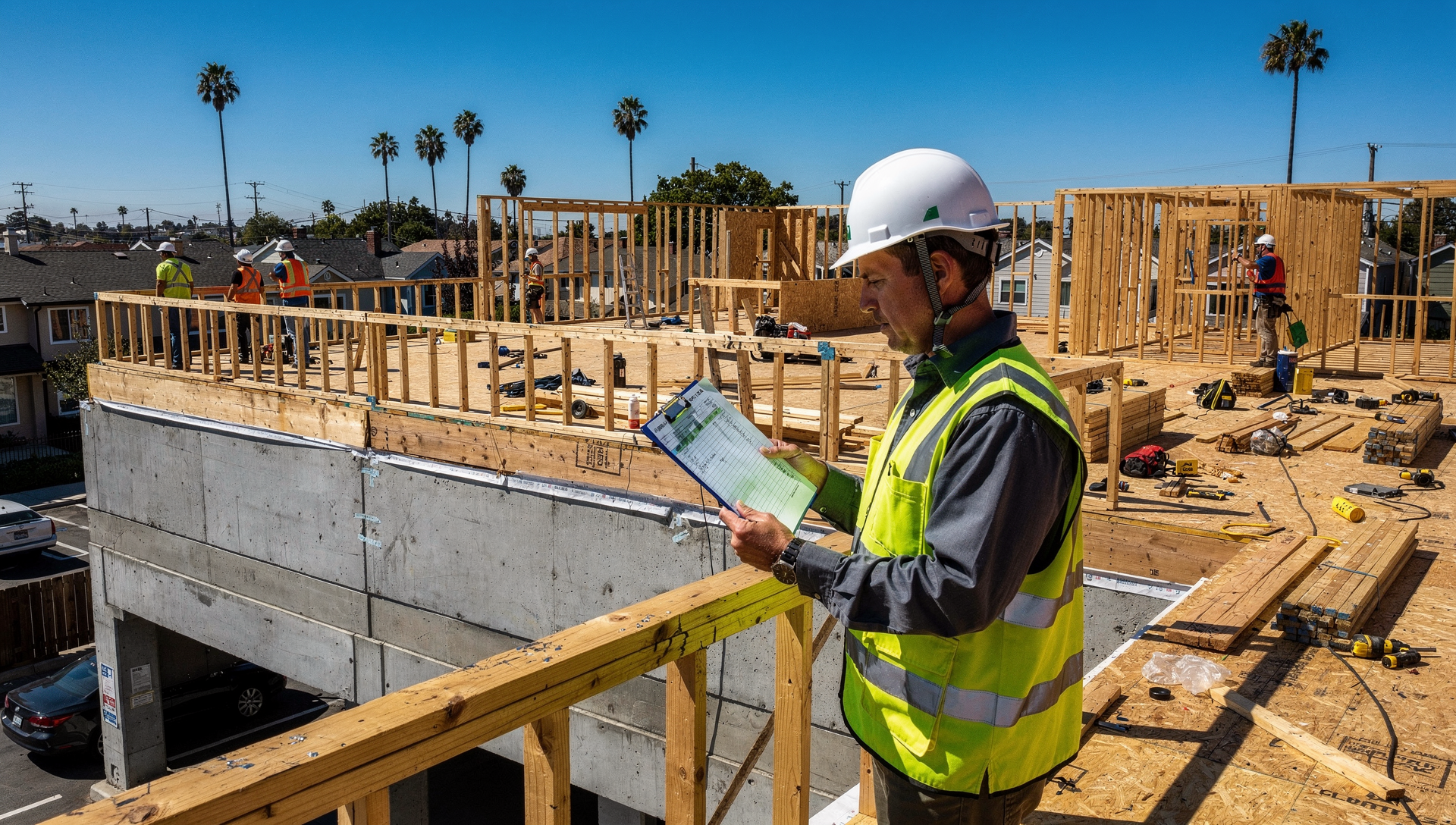
Inabnet, the multifamily general contractor building ground-up apartment projects in San Diego, Tampa, and Austin, breaks down why Q4 is when developers should model their 2027 capital budget, from current construction costs and interest rates to trade partner availability, so a project is ready to mobilize before the next development cycle gets competitive.
News
Ground-Up Multifamily vs. Adaptive Reuse: A Developer’s Comparison
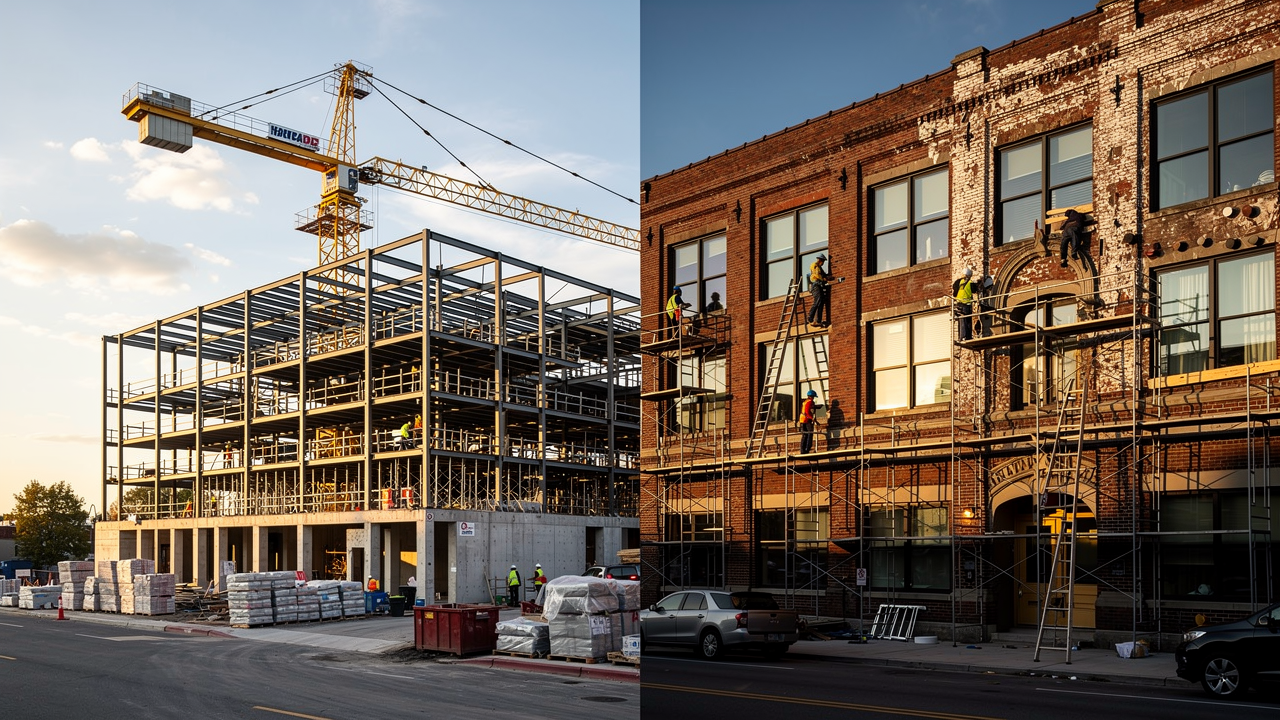
Ground-up multifamily and adaptive reuse both produce apartments — but the cost structure, timeline, and risk profile are meaningfully different. Inabnet, a multifamily GC active in San Diego, Austin, and Tampa, breaks down what each approach actually delivers in 2026: real cost ranges, timeline comparisons, where hidden risks live in conversions, and when ground-up is the right call.
Multifamily Construction Cost Per Unit: Tampa & Austin 2026
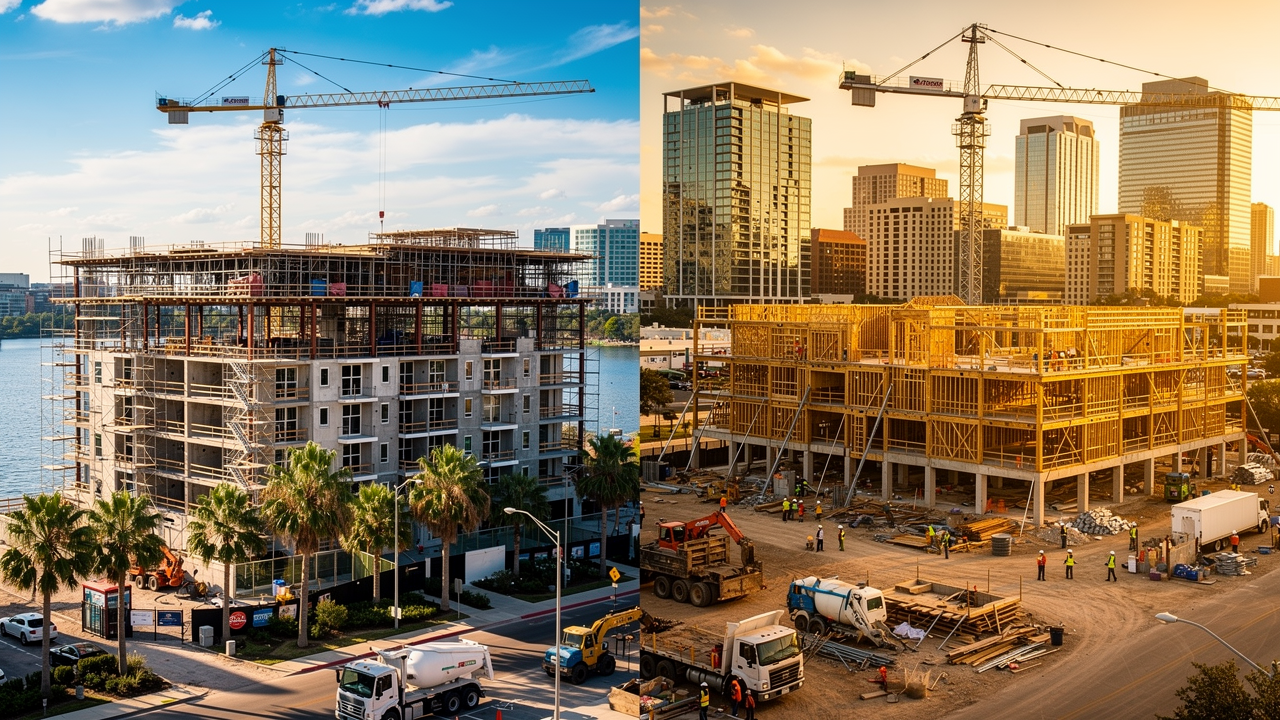
Hard construction costs for ground-up multifamily in Tampa and Austin range from $270 to $380 per square foot in 2026 — but the two markets get there differently. Inabnet, an active GC in both cities, breaks down cost per unit by building type, explains what drives the gap between markets, and shows how the full development budget stacks up beyond hard costs.
Santa Ana Wind and Wildfire Season: What San Diego Multifamily Developers Should Know
Inabnet, the multifamily general contractor building ground-up apartment projects in San Diego, Tampa, and Austin, breaks down how Santa Ana wind and wildfire season affects even urban infill construction sites, from power shutoffs and red flag work stoppages to California’s new wildfire building code, and what it means for your builder’s risk insurance and proforma.
How to Read a Construction Draw Schedule: A Developer’s Guide
A construction draw schedule controls how and when your loan funds are released — and misunderstanding it can create serious cash flow problems on a ground-up multifamily project. Inabnet breaks down how draws are structured, what lenders inspect before releasing funds, and how to manage timing to keep the job moving.
5 Things Developers Get Wrong When Hiring a GC for Multifamily Projects
Most developers get GC selection wrong in the same five ways — and the consequences don’t show up until the project is underway. Inabnet outlines the most common hiring mistakes in multifamily construction and what experienced developers do differently to protect their schedule, budget, and lender relationships.
Managing Extreme Summer Heat on Austin Multifamily Construction Sites
Inabnet, the multifamily general contractor building ground-up apartment projects in Austin, San Diego, and Tampa, breaks down how extreme summer heat affects concrete curing, worker safety, and job site scheduling in Austin, and the preconstruction moves that protect quality, retain trade partners, and keep a project on schedule through peak season.
Austin Multifamily Permitting Guide: What Developers Need to Know in 2026
Austin multifamily permitting is more complex than most developers expect. Inabnet breaks down the DSD process, permit types, AB+C portal requirements, and review timelines for ground-up multifamily projects in Austin — so you can plan your schedule around real numbers, not guesses.
Hurricane Season and Tampa Multifamily Construction: Protecting Your Schedule
Inabnet, the multifamily general contractor building ground-up apartment projects in Tampa, San Diego, and Austin, breaks down how hurricane season disrupts a Tampa construction schedule, from material deliveries and crane shutdowns to Florida Building Code wind requirements, and the preconstruction moves that keep a project on schedule and on budget through storm season.
How Long Does It Take to Build an Apartment Complex? Real Timelines for San Diego Projects
National data says 19.6 months for multifamily construction. But for San Diego ground-up projects, the real timeline — from site control to CO — runs 30 to 48 months or more. Inabnet, a multifamily general contractor in San Diego, Tampa, and Austin, breaks down what actually drives the schedule, phase by phase, and what developers can do to keep their project on track.